History
Learn about the history of the hall and its place in the community.
The story of Emma Hall
Emma Colliery Workmen’s Memorial Hall was erected in 1923. It cost approximately £3,200 and was built using funds from the Emma Colliery Miners’ Welfare Fund on land donated by the Stella Coal Company.
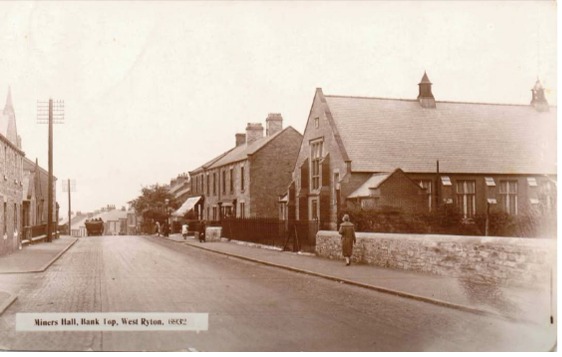
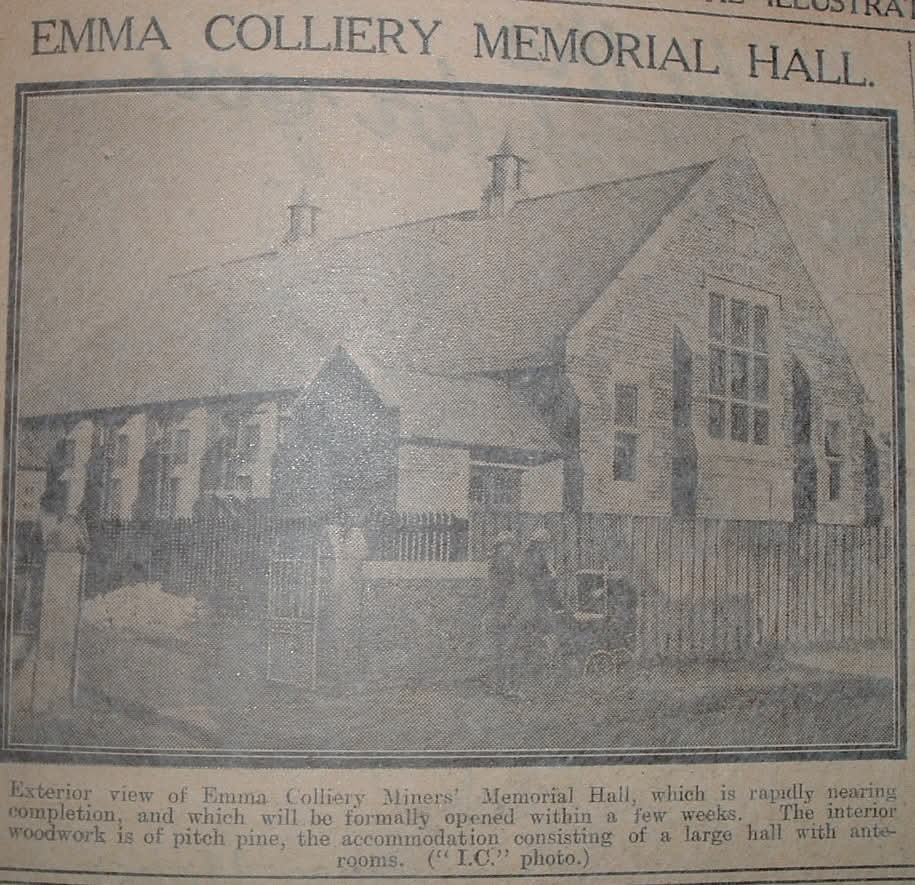
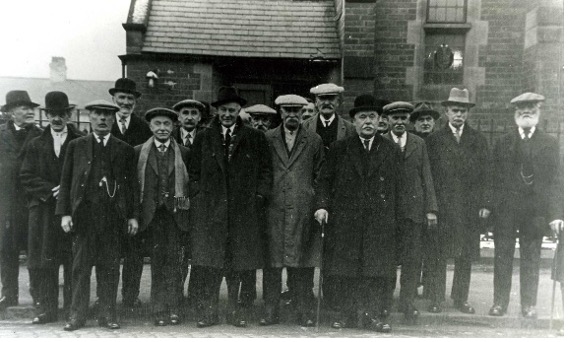
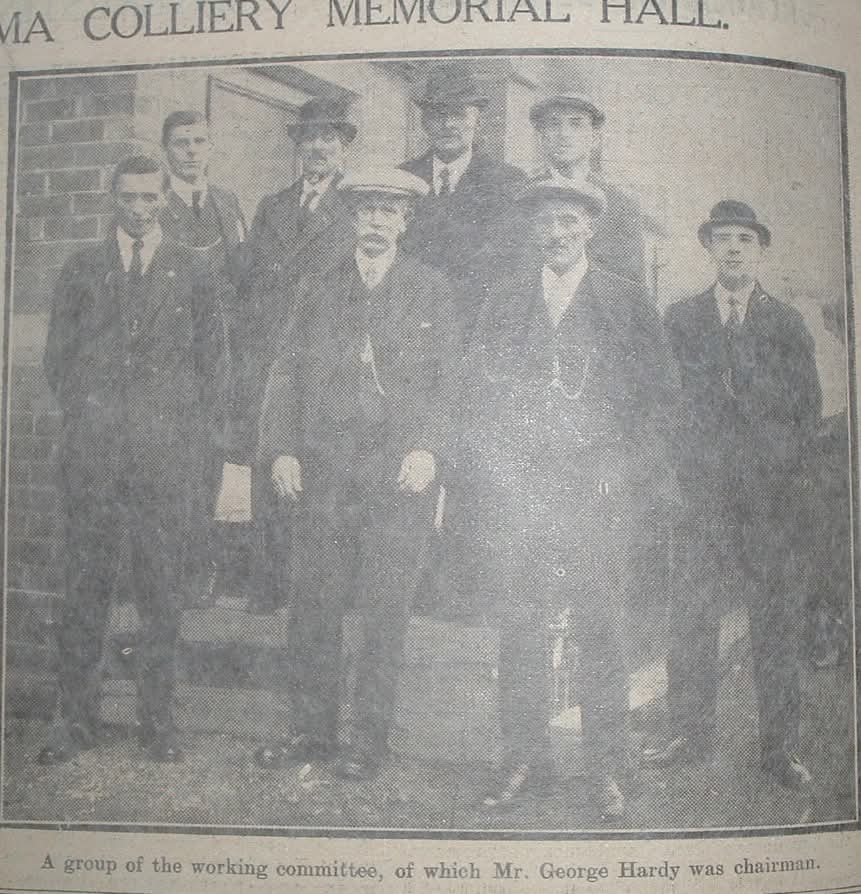
The official hall unveiling ceremony took place on the afternoon of Saturday 22nd March 1924. The arrangements for the ceremony were carried out by the memorial committee with Mr George Hardy, as chairman (he lost a son in the war, George Jnr), Mr Sidney Scott, secretary, and Mr George Armstrong, treasurer.
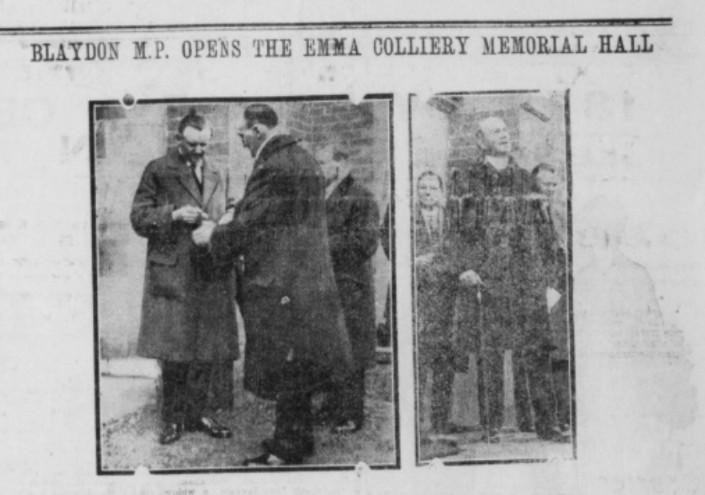
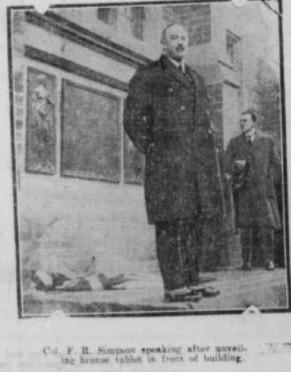
The architects were W. Dixon and Son, of Newcastle and Riding Mill, and the principal contractors were W. Charlton and Sons of Crawcrook. Mr William Whiteley, M.P. officially opened the hall and was presented with a key from Mr Dixon. Colonel Frank Robert Simpson of Bradley Hall unveiled the memorial tablet, stating that nearly 500 men from Emma Pit had gone to war.
The Stella Collieries Workmen’s Band headed a procession through the villages of Crawcrook and Emmaville.
The bronze tablet, which adorns the outer wall of the hall was erected in memory of those workmen and workmen’s sons, who lost their lives during the Great War. It bears the names of 58 men. Stained glass windows commemorating the war were placed at the front of the hall overlooking the bronze tablet.
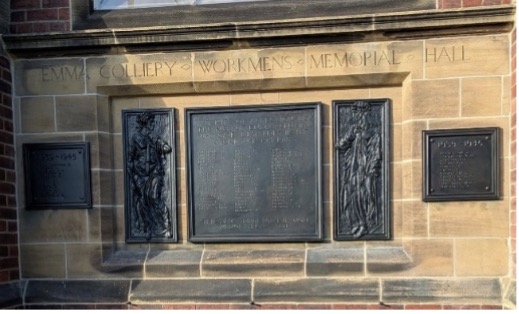
Following the end of the Second World War, another 23 names of men from Crawcrook, who lost their lives, were added to the memorial.
At some point in time the bronze figurine tablets were actually stolen and had to be replaced by fibreglass imitations.
A Place of Community, Connection and Celebration
The hall was originally used to cater for the welfare needs of the colliery workers of Emmaville and their families, for example acting a soup kitchen in 1926.
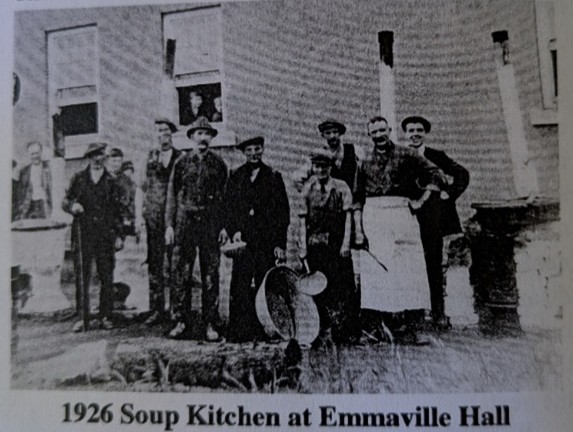
In 1926 there was a coal strike or lockout, lasting from May 1st, into October. The Education Authority provided soup kitchens for the children of the miners. The food was plain, but wholesome, bread and jam with a mug of cocoa for breakfast, broth or stew for dinner, with corned beef sandwiches on Saturdays to give the volunteer staff a rest.
(The man wearing the white apron is Alexander George Penny, a miner at Emmaville Colliery. He was a veteran of the 2nd Anglo Boer War of 1899-1902, where he served as a Trooper with the 33rd Imperial Yeomanry in South Africa, a veteran of WW1, where he served with the 15th Battalion Durham Light Infantry, and was a prisoner of war. Alexander also served with the Durham Home Guard during WW2.)
(The man holding the pan at the front is thought to be Nathaniel Pearson.)
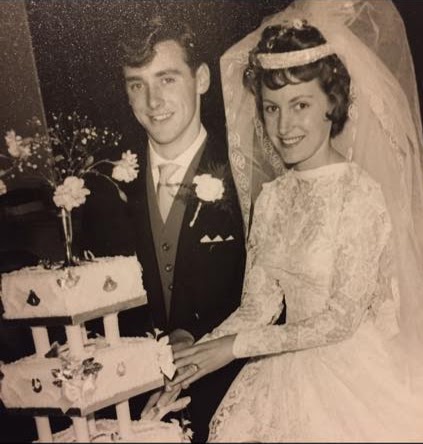
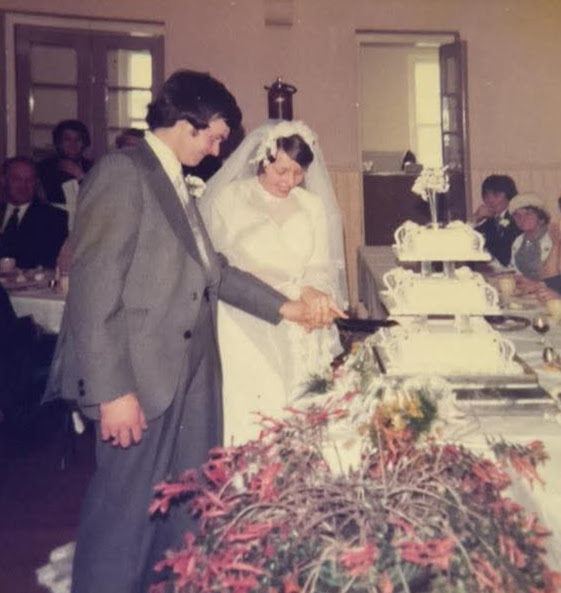
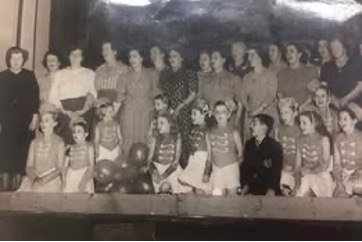
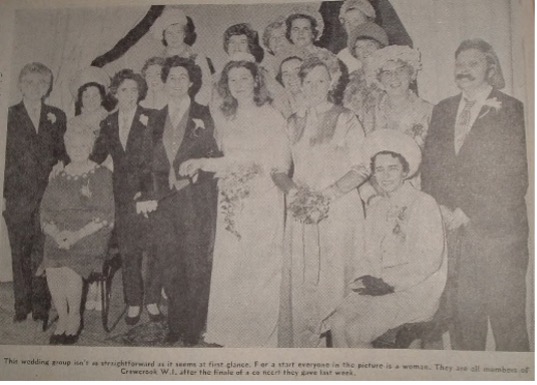
The hall continued throughout the years to be a place where all members of the local community could come together and connect through social gatherings and celebrations. Many local people attended dances, wedding receptions and family parties at the hall.